Before you book
Ceramic coating on the Northern Rivers: lifespan, process and prices
Everything you need to know before booking: realistic lifespans, which vehicles benefit most, what preparation involves, what it costs locally, and how to choose an installer.
Realistic lifespan by product tier
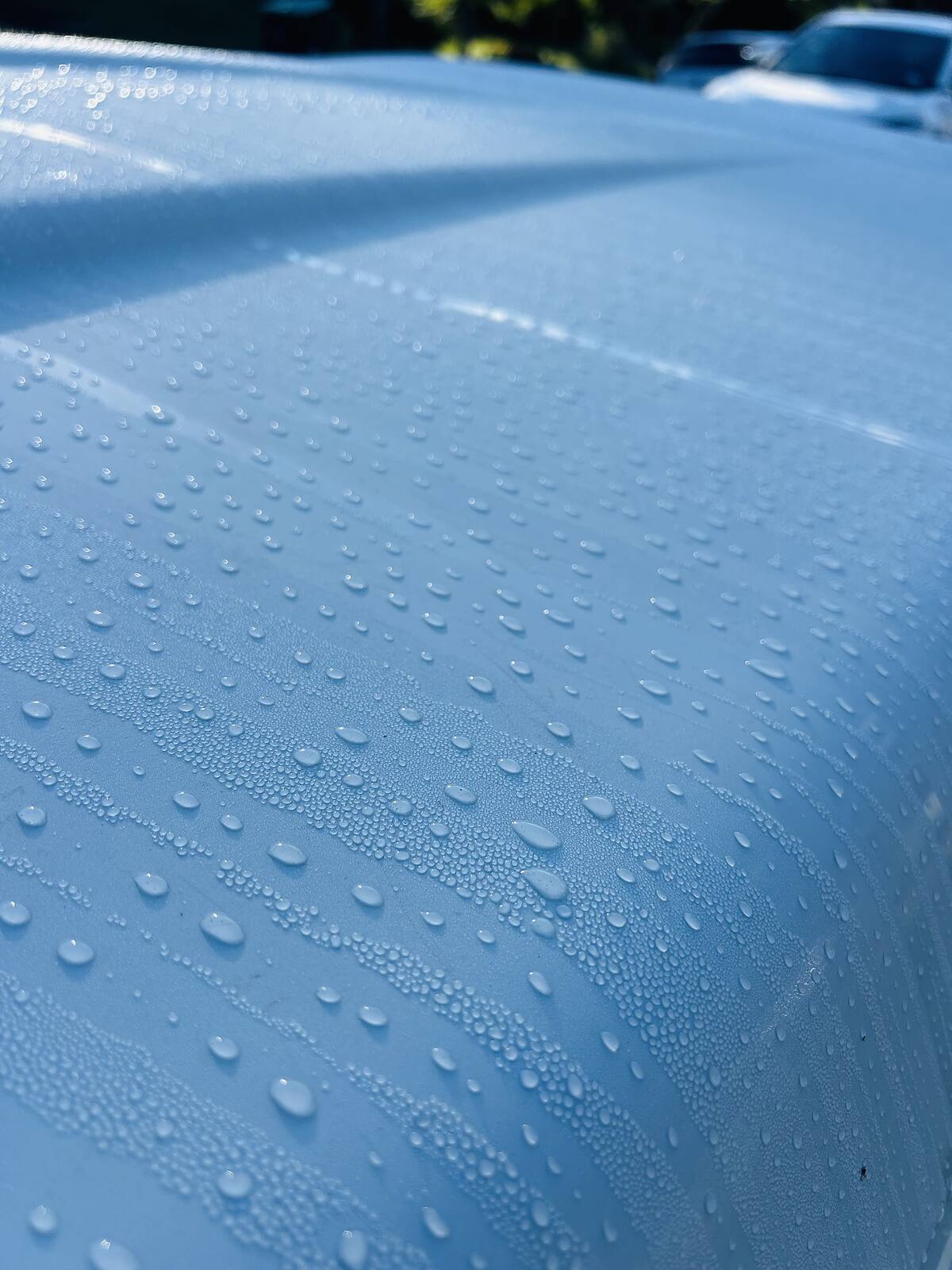
Not all ceramic coatings last the same time, and the marketing deserves some honest translation. Entry-level professional coatings typically carry a one to three year warranty. Mid-range packages sit around five years. Premium products, such as Ceramic Pro 9H with multiple layers or Gtechniq Crystal Serum Ultra, are rated up to nine or ten years with certified installation and correct aftercare.
Those figures assume proper preparation and consistent maintenance. A nine-year coating over poorly prepared paint, or left unwashed for months, will not get near its potential. The brand is only as good as the preparation behind it.
Cars, caravans and boats: which benefit most
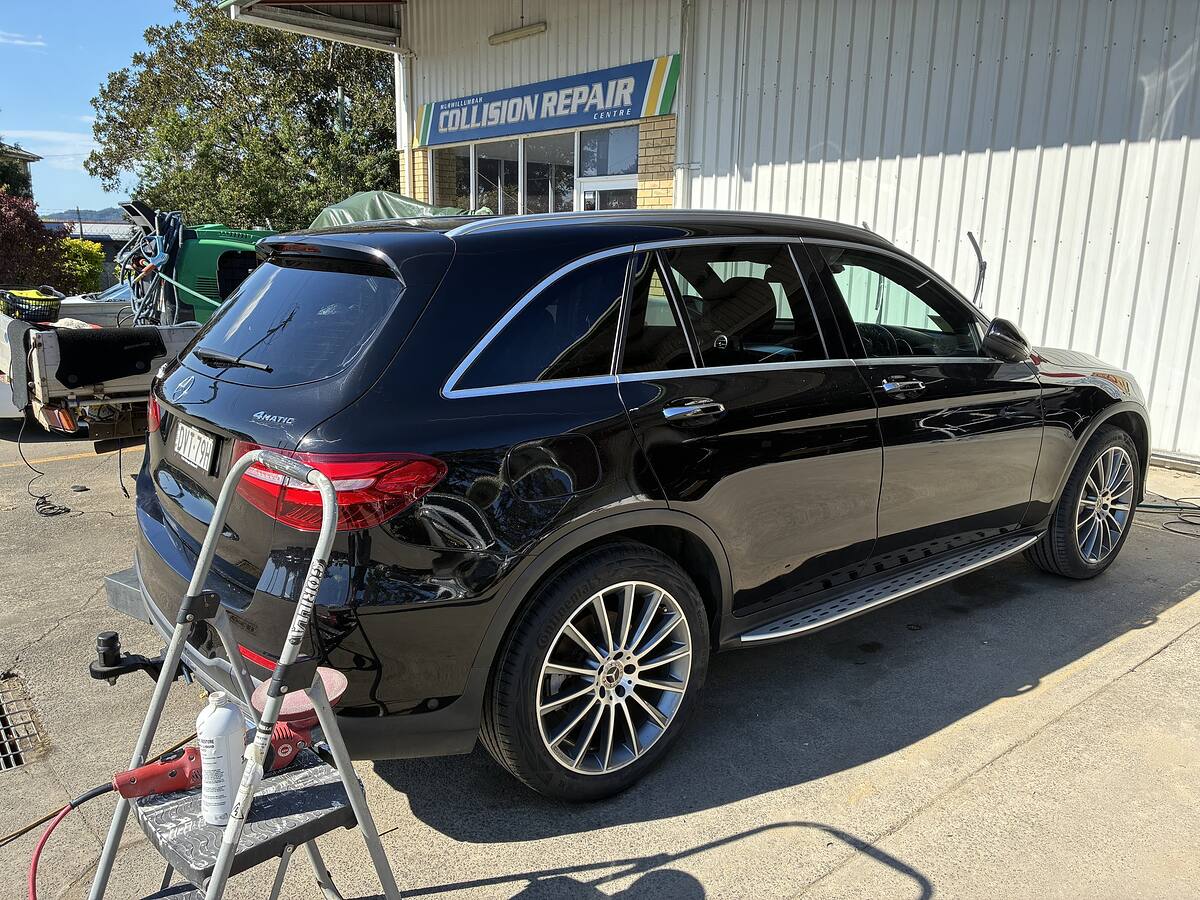
For cars and 4WDs on the Northern Rivers, ceramic protection makes obvious sense: daily UV and salt, frequent beach access with sand and salt water, and the difficulty of keeping paint clean in a humid climate all add up.
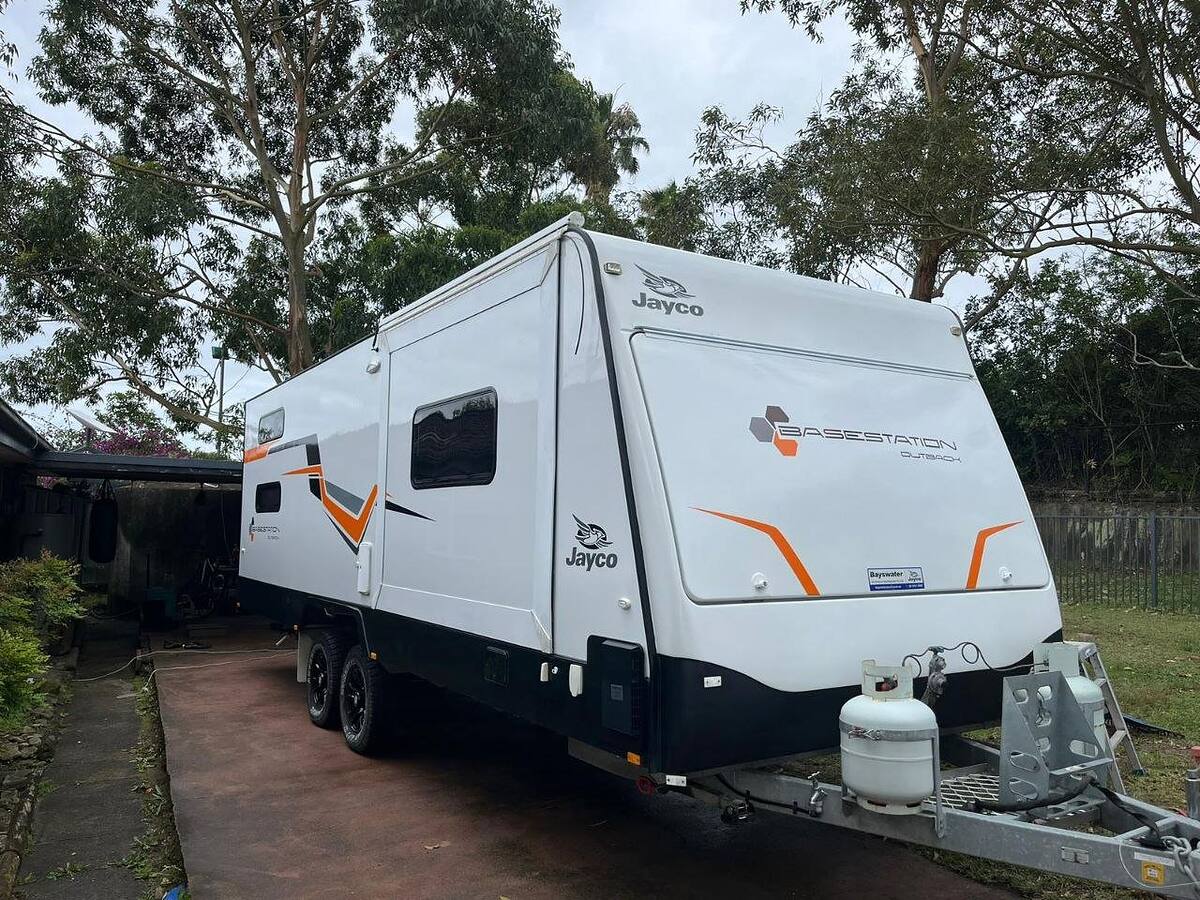
Caravans are almost always fibreglass, which oxidises in UV more aggressively than automotive paint. Grey nomads and touring families who park their van between trips are prime candidates: a coated caravan, with correct maintenance, helps reduce the black streaking from roof runoff, cleans up with minimal effort and holds its resale value better.
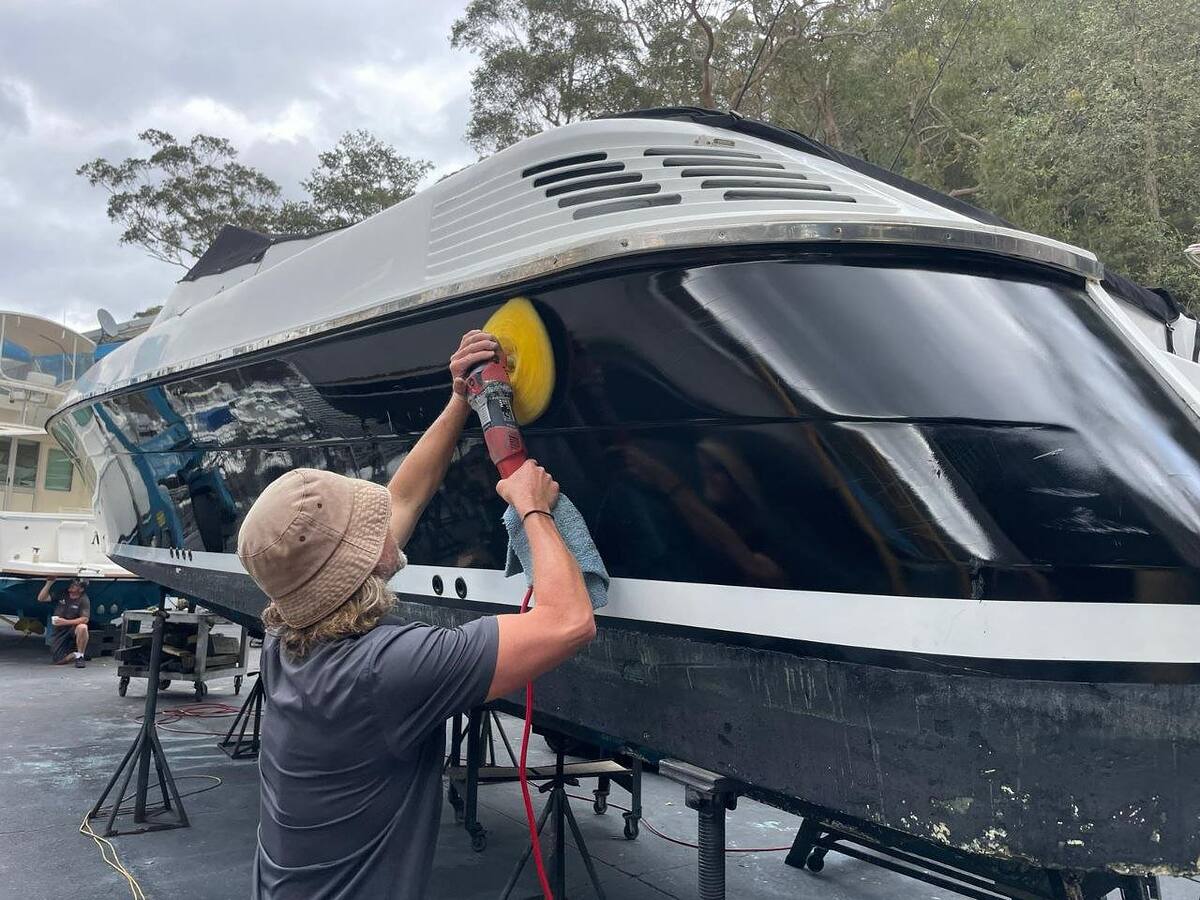
Marine ceramic coating is a genuine specialisation, not car coating applied to a hull. Gelcoat and fibreglass behave differently from automotive paint, and the waterline, hull and deck each present different challenges in salt water. Trailer boat owners who rinse at the ramp but rarely polish need this protection most, and they need an installer with real gelcoat experience.
What preparation and application involve
A ceramic coating locks in whatever condition the paint is in when it is applied. Swirl marks, water etching, oxidation and scratches stay visible under the coating for its whole life, so paint correction beforehand is not optional for a quality result.
The full sequence is a thorough wash, iron remover to dissolve embedded brake dust and metallic fallout, a clay bar to remove bonded contamination, machine polishing to correct defects, then a panel wipe with an IPA solution to strip polishing oils. Application is done panel by panel, with the coating levelled before it flashes.
After application the vehicle needs to stay dry for the first 24 to 48 hours, and avoid bird droppings, hard water, car washes and abrasive cleaning for the following three to four weeks while the coating cross-links and reaches full hardness.
Packages, brands and prices
Entry-level professional coatings with a one to three year warranty typically sit around A$700 to A$1,200 for a standard car without paint correction. Mid-range five-year packages run A$1,200 to A$1,900. Premium nine to ten year coatings with multiple layers sit at A$2,000 to A$3,500 or above. Paint correction adds several hundred dollars at any tier, and caravans, boats and 4WDs cost more because of their surface area and preparation time.
The professional systems most commonly used by certified installers include Ceramic Pro (9H and ION lines, Bronze, Silver and Gold warranty tiers), Gtechniq Crystal Serum Ultra (up to nine years; Crystal Serum Light five years), System X (Diamond SS lifetime, Pro up to six years) and CarPro CQuartz Finest Reserve (up to ten years through certified installers). Warranty validity depends on certified installation and the manufacturer's aftercare.
Why mobile ceramic coating makes sense here
A mobile ceramic coating needs a power outlet, running water and ideally shade, such as a garage or carport: direct sun affects how the coating levels and flashes. Application typically takes six to eight hours for a standard vehicle, and heavier paint correction may need two days.
The alternative for most Northern Rivers owners is a studio in Tweed Heads or the Gold Coast: leaving the vehicle for a day or more, towing the caravan, or trucking the boat. Mobile coating removes those barriers, and because we coat cars, boats and caravans under one operation, the protection stays consistent across everything you own.
How to choose a ceramic coating installer
Look for demonstrable experience with your type of vehicle (especially marine and caravan work), certified application with the brand being recommended, and clear answers about preparation, warranty conditions and aftercare. Ask whether paint correction is included or quoted separately, and what the site needs to be for a mobile job. A good installer assesses the condition honestly before quoting rather than coating over paint that is not ready.
Prices and product lifespans are typical Australian market figures in 2026, for guidance only. Confirm warranty terms for any specific product when booking.