Caravan owners' guide
Mobile caravan detailing: is it worth it?
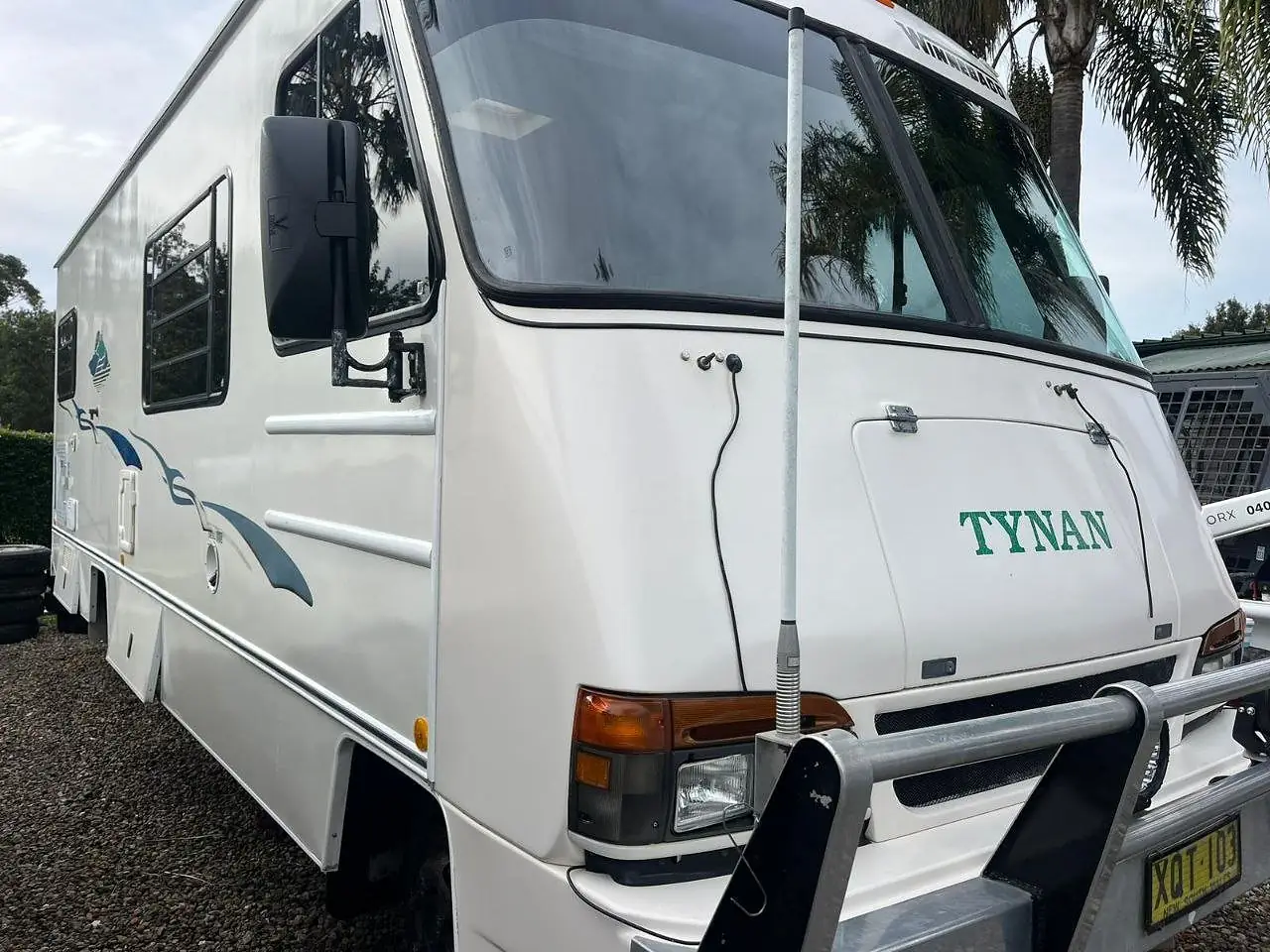
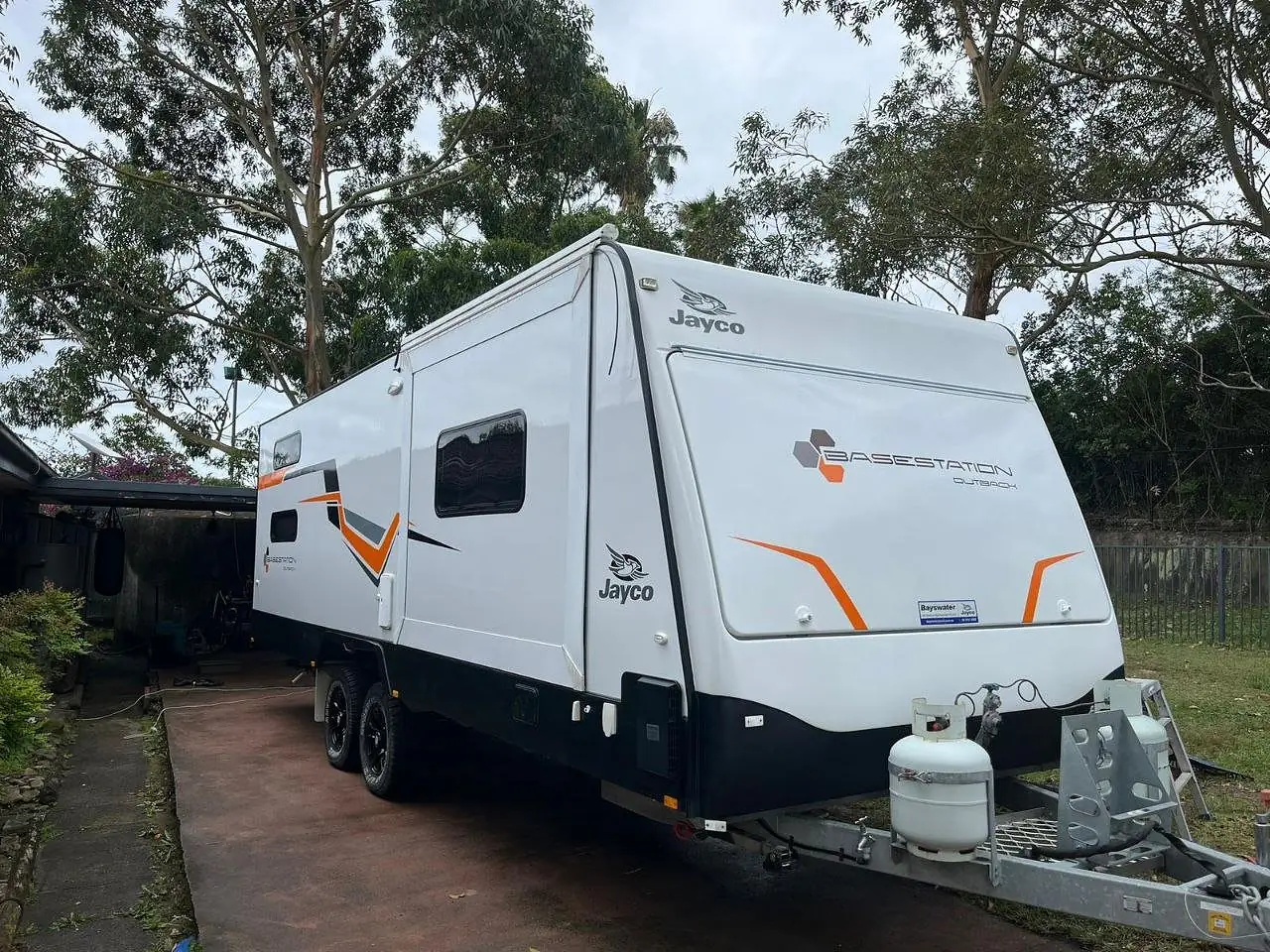
You have spent serious money on your caravan. Whether it is a fibreglass van you tow to the coast every summer or a motorhome you live in for months at a time, it takes a beating from UV, road grime, salt air and time. Here is what a proper mobile caravan detail includes, what it costs in Australia in 2026, and how to choose a detailer you can trust with your van.
What a full mobile caravan detail actually covers
A full caravan detail is not a car wash with a longer hose. It is a structured service across two distinct areas, and the best operators treat them separately.
Exterior: wash, polish and protective coatings
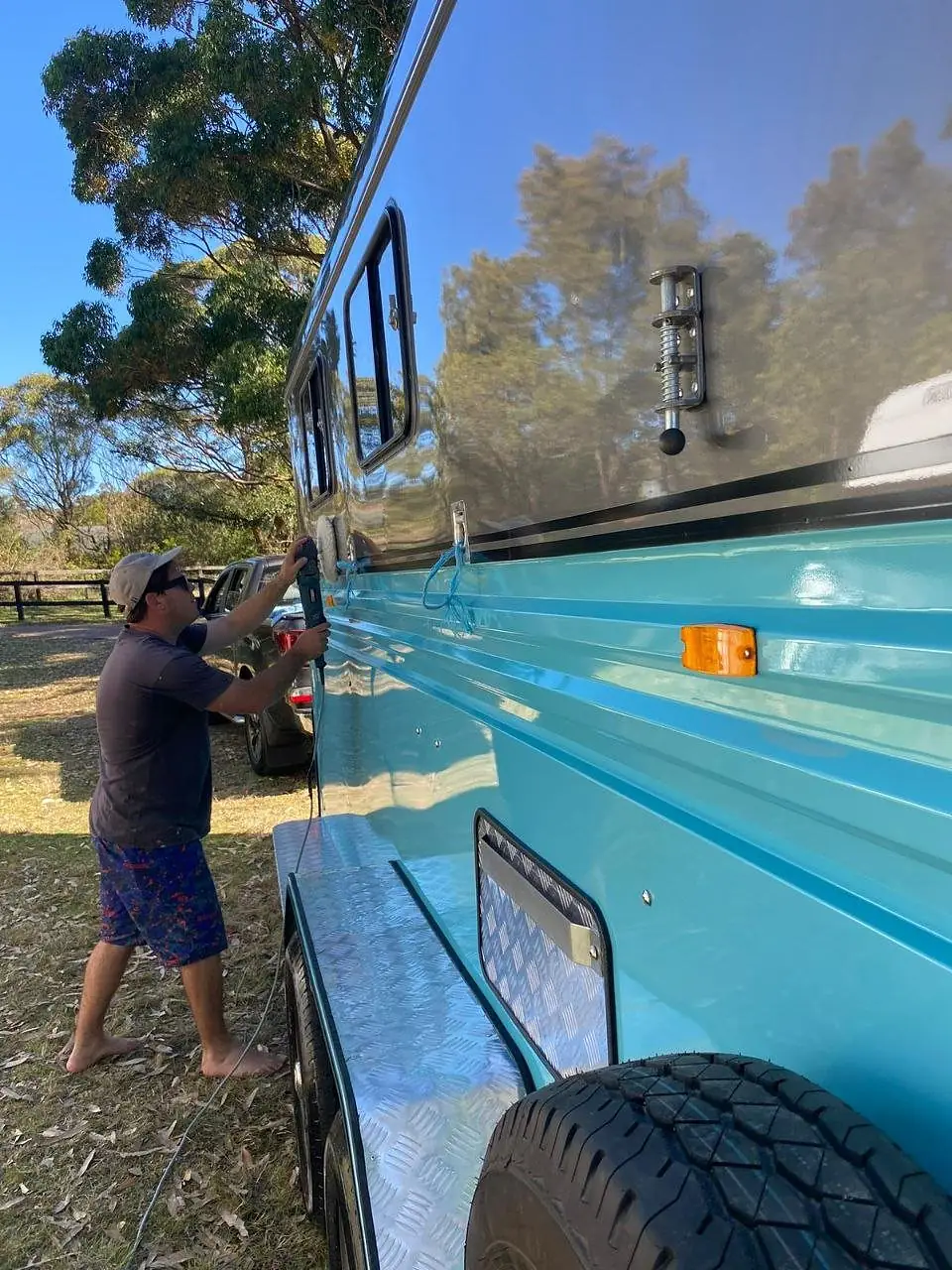
A proper exterior detail starts with a high-pressure wash to remove surface contamination, followed by a cut and polish to address oxidation, dullness and light scratching. Machine buffing restores the gloss, then wheel arches, tyres and glass get individual attention before a protective sealant or ceramic coating is applied.
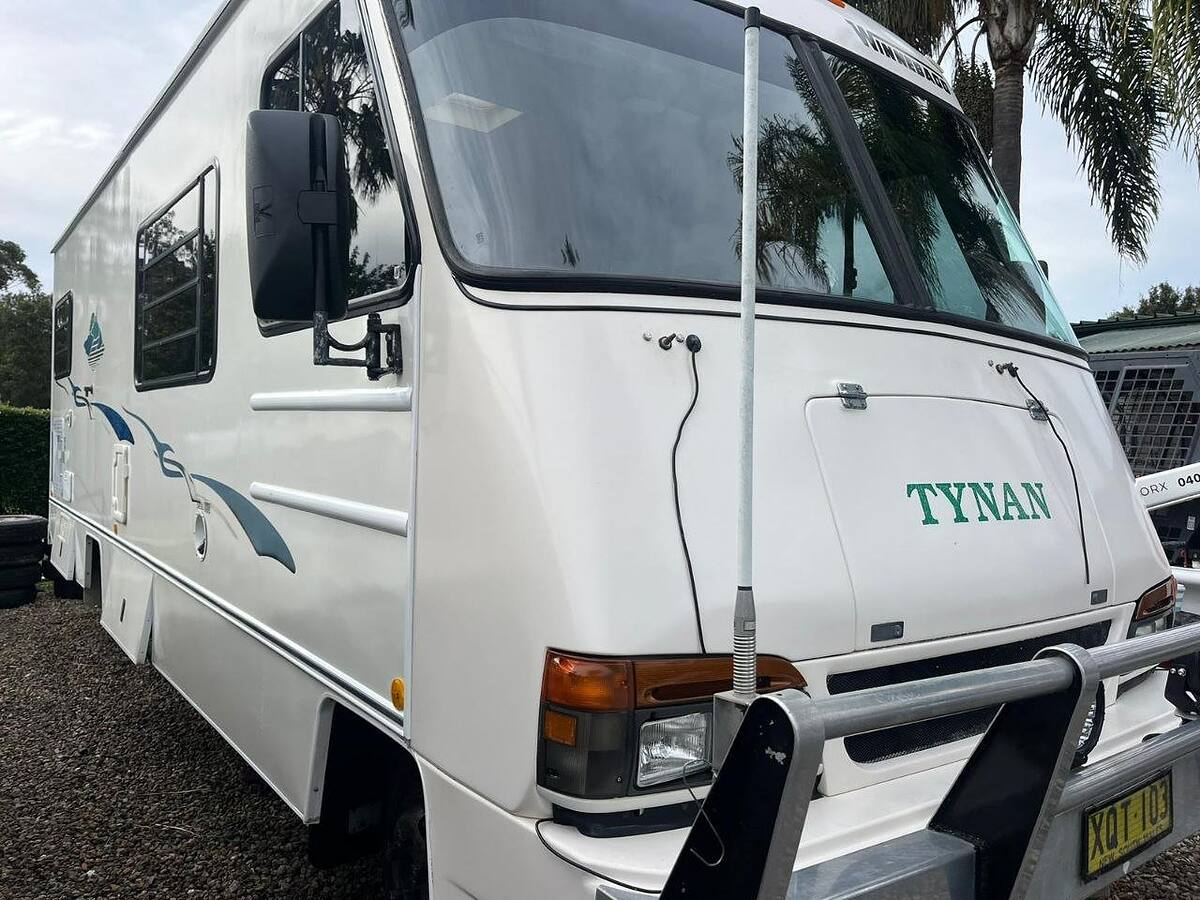
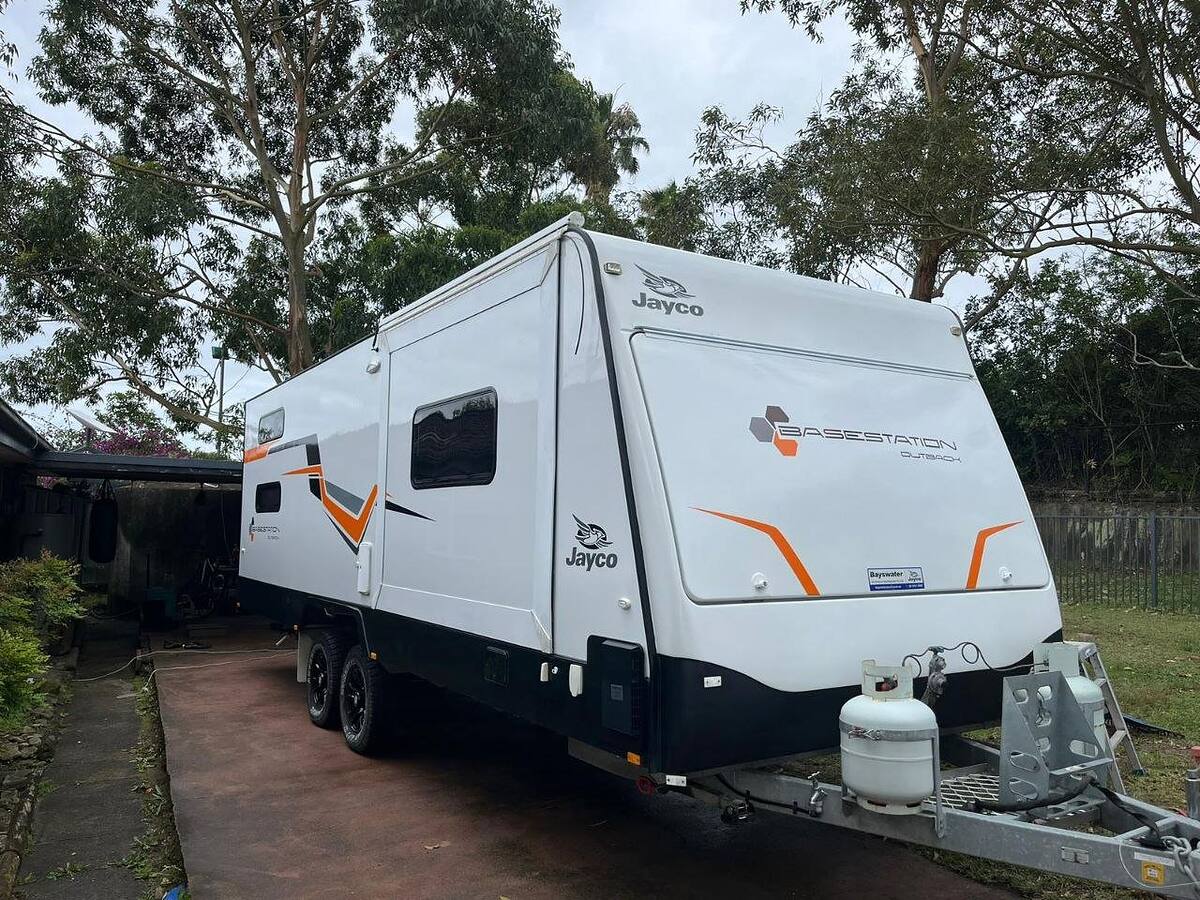
Panel size alone makes this far more involved than a car. A typical 20-foot caravan has considerably more surface area than most passenger vehicles, and fibreglass reacts differently to heat and polishing compounds than automotive paint does.
Interior: upholstery, kitchen and bathroom
Interior caravan detailing covers vacuuming throughout, then cleaning of hard surfaces, fabric upholstery and the kitchen and bathroom. It also includes shampooing or conditioning soft furnishings, treating mould or mildew where found, deodorising, and fabric protection on upholstered surfaces.
Mobile service or a fixed detailing shop?
Towing a caravan to a fixed shop means hitching up, navigating traffic, leaving the van for a day or more and collecting it on someone else's schedule. A mobile detailer removes all of that: we arrive at your home or site, work around your timetable, and the van never leaves your driveway. For large motorhomes, fifth-wheelers, or vans stored on properties without easy street access, mobile is often the only practical option.
On-site work also happens in natural light, which helps reveal oxidation patches, waterline staining and scratches so they can be addressed properly. Specialist mobile operators carry the same professional machine polishers and ceramic coating systems as city workshops, and you get one detailer's full attention for the day.
Fibreglass, gelcoat and rubber seals need more than a car detail
Most caravans are built from fibreglass with a gelcoat finish, not automotive paint. Gelcoat is more porous, the finish is thicker, and an over-aggressive compound is hard to undo. Rubber seals around windows, vents and joins need specific products to stay supple and watertight. A detailer who only works on cars can miss these distinctions and make things worse.
Caravan ceramic coating: longevity and value
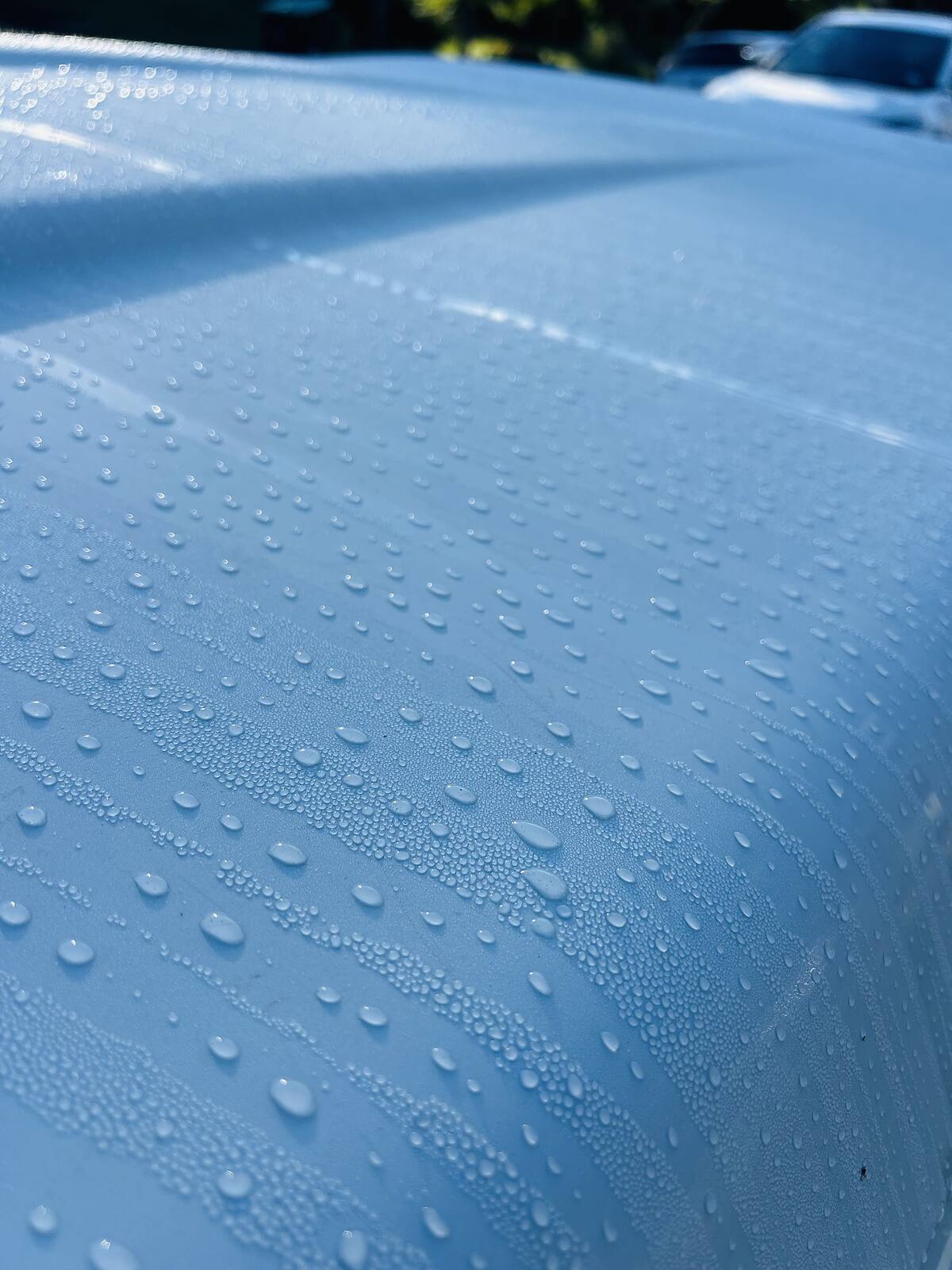
Ceramic coating on a fibreglass caravan typically lasts three to five years, compared with a few months for traditional wax. It slows UV oxidation and fading, makes the surface hydrophobic so grime does not stick as readily, and makes routine cleaning far easier. The process starts with gelcoat correction to remove existing oxidation, then the coating locks in that result. For vans parked outdoors on coastal properties or touring regional NSW, it is a cost-effective long-term investment rather than a luxury.
What mobile caravan detailing costs in Australia
Caravan detailing is quoted either per foot or as a package, and rates vary by location and service level. National averages reported by providers cluster around $25 to $35 per foot, while some Sydney operators quote $40 to $120 per foot for premium packages or heavily oxidised surfaces. Regional areas generally come in more competitively than city rates.
Package pricing typically starts around $250 for a basic exterior wash and runs to $1,100 or more for a full exterior motorhome or RV detail with polishing and protection. A full job on an average caravan usually takes six to eight hours, with larger or heavily oxidised vans running a full day or more.
What shifts the quote up or down
Condition is the biggest variable by some margin. Heavy oxidation, red dirt staining, interior mould, or gelcoat that has not been touched in years all add to the base price. Add-ons such as ceramic coating, fabric protection or odour treatment are usually quoted separately. A reputable detailer will look at the van, or at least good photos of it, before confirming a price: send us a few photos for an accurate free quote.
Price ranges are typical Australian market rates in 2026, for guidance only. Your quote from Northern Rivers Detailing is based on your van's size and condition.